Modern scientific accounts of deep time are often presented as conclusions derived from objective observation, yet the most remote periods of Earth history are not directly observed.

Modern scientific accounts of deep time are often presented as conclusions derived from objective observation, yet the most remote periods of Earth history are not directly observed.

This study examines the structural compatibility between rapidly advancing technological systems—particularly artificial intelligence (AI)—and the enduring requirements of human biological, cognitive, behavioural, and moral functioning.
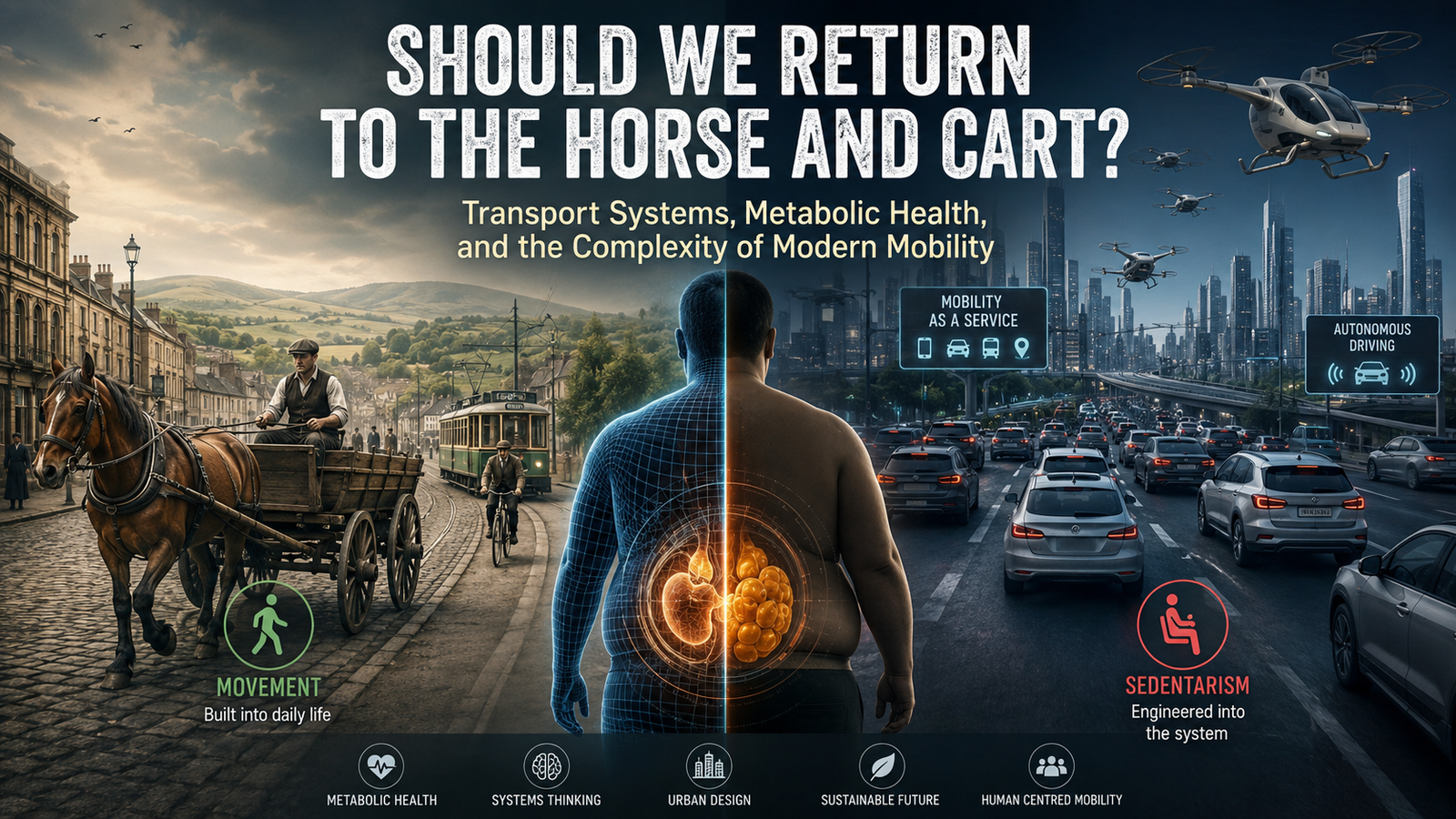
The global rise in visceral adiposity constitutes a major public health challenge, commonly attributed to individual behavioural factors such as diet and physical inactivity.
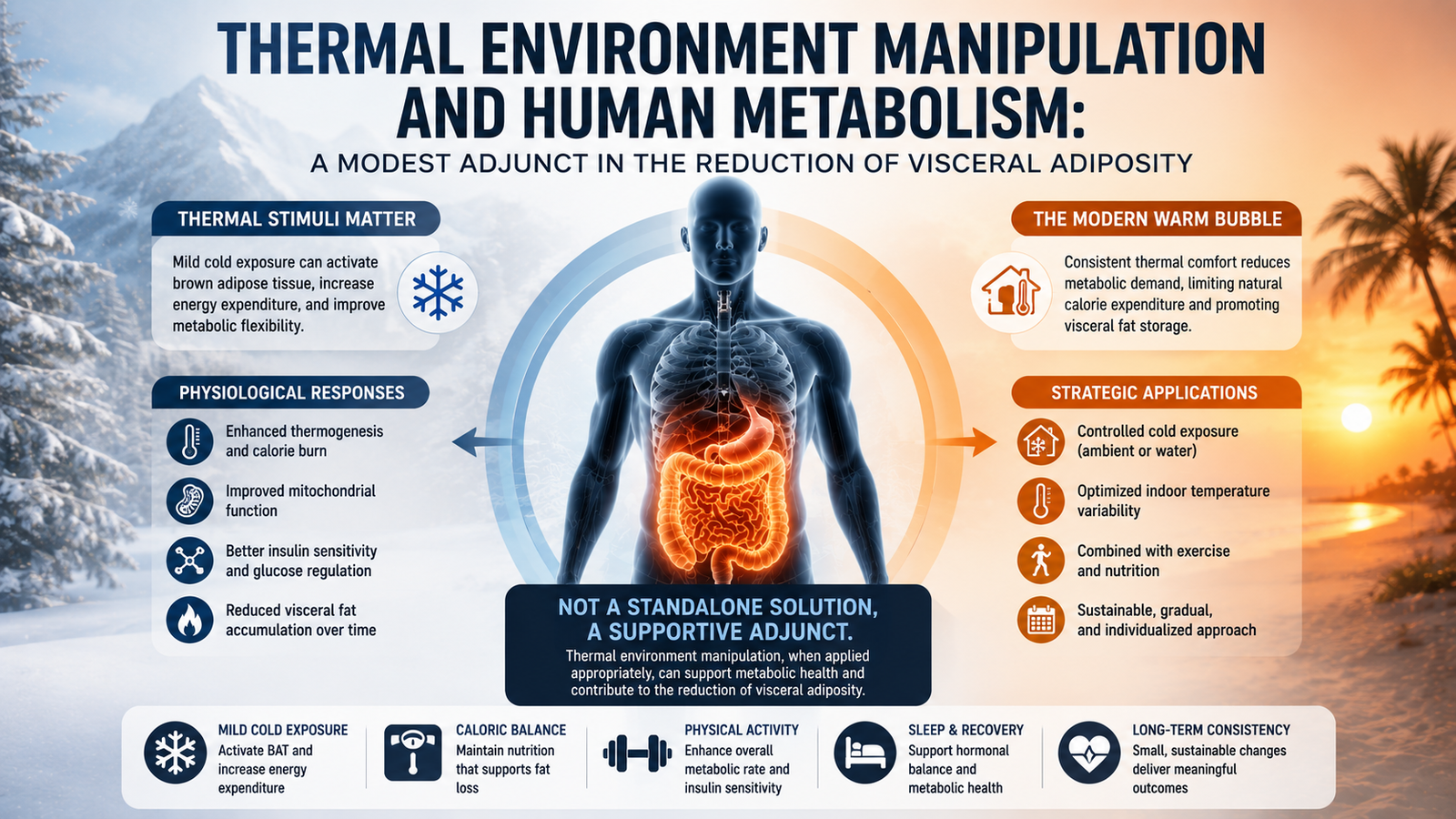
The widespread adoption of heating and air conditioning has reduced human exposure to thermal variability, potentially diminishing thermoregulatory energy expenditure.
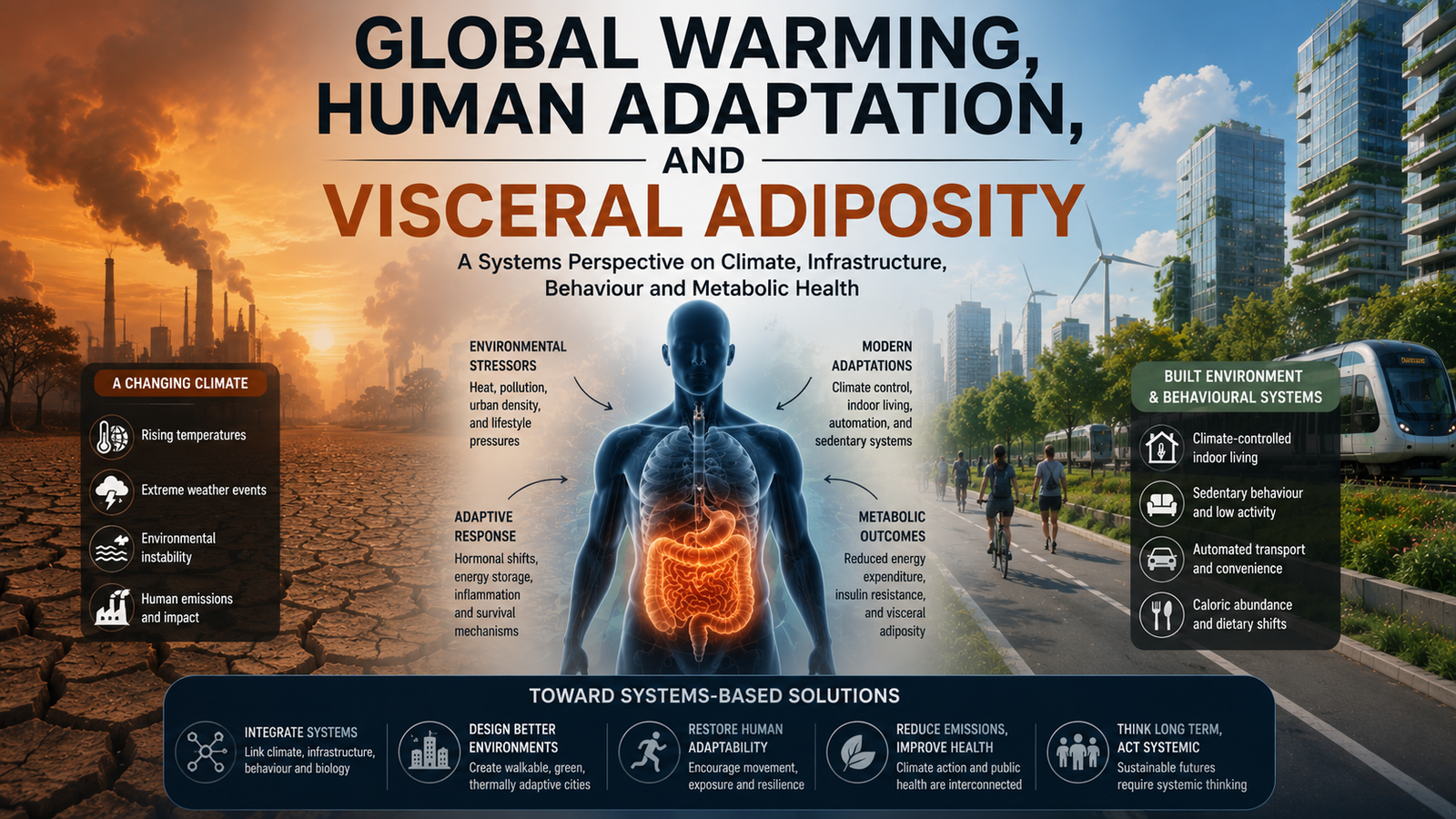
This paper develops a systems-based analysis of the relationship between global warming, human adaptation, and visceral adiposity, with particular emphasis on the implications for metabolic health and pre-diabetes.
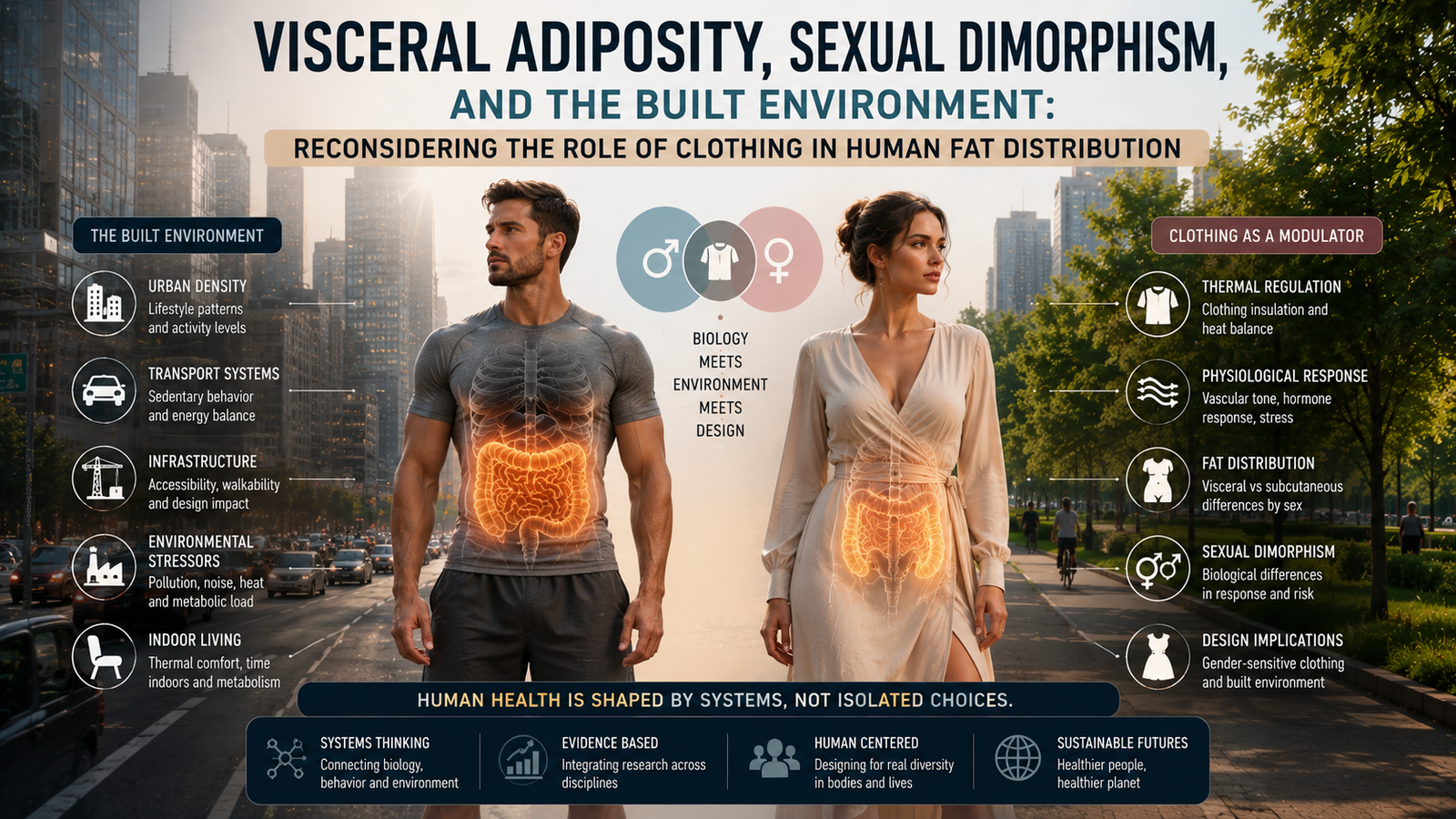
Sexual dimorphism in human fat distribution is well documented, with men tending toward greater visceral adiposity and women more commonly storing fat subcutaneously, particularly in gluteofemoral regions.
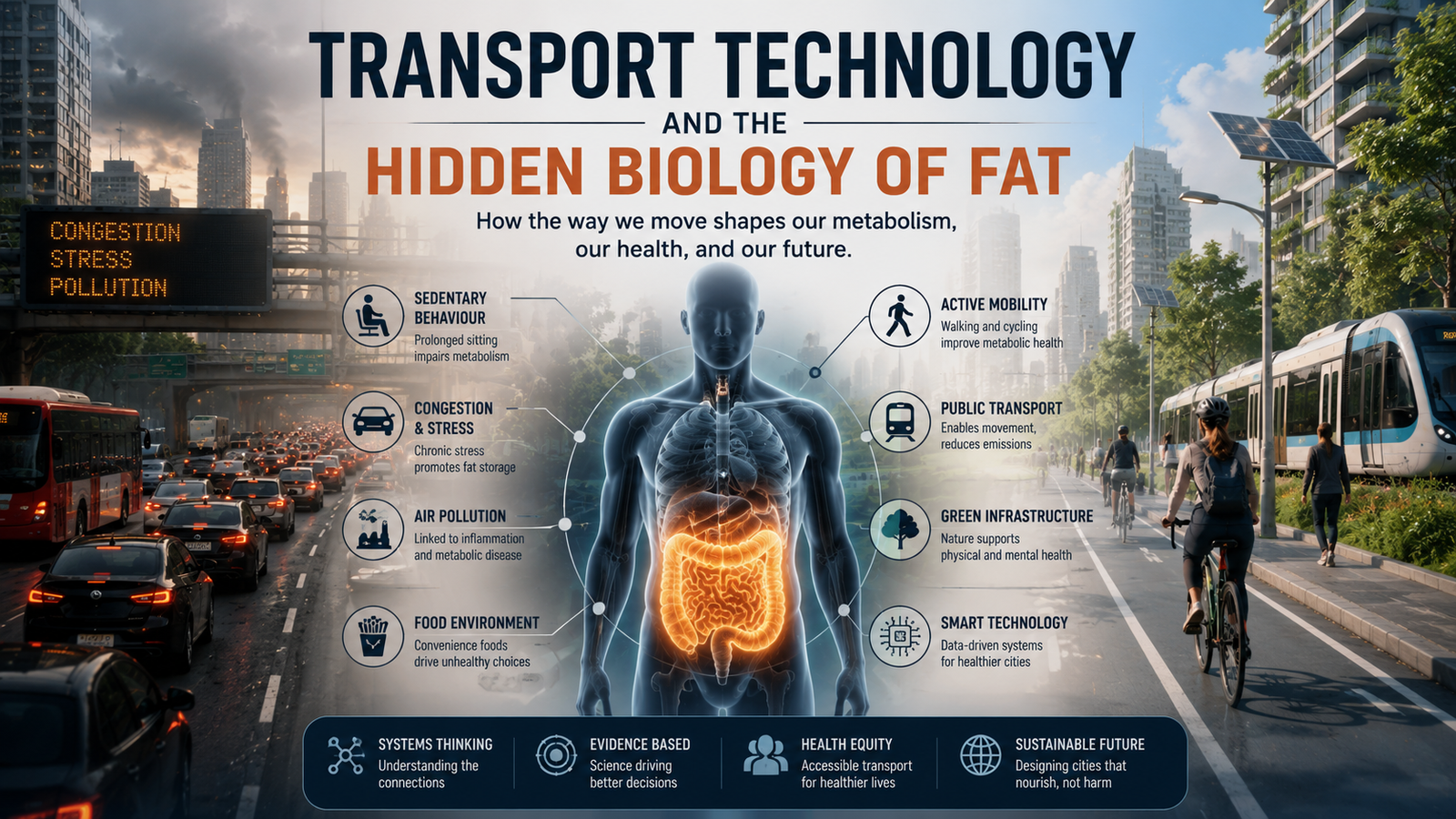
The global rise in metabolic disorders, particularly those associated with visceral adiposity, represents one of the most significant public health challenges of the modern era.

The relationship between modern environments and metabolic health has been widely examined in physiology, epidemiology, and public health.
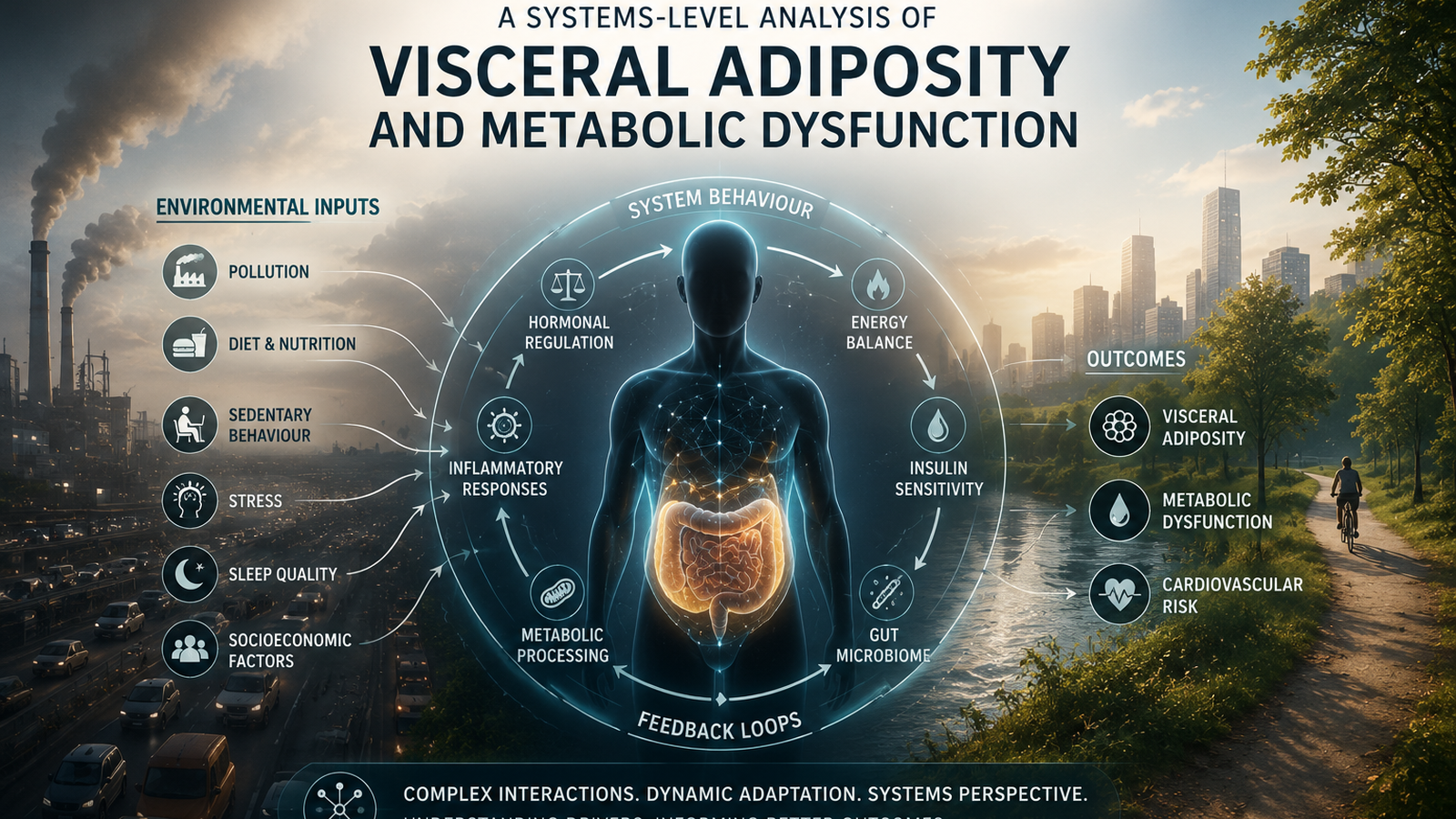
This paper presents a systems-level analysis of visceral adiposity and associated metabolic dysfunction, reframing these conditions not as isolated physiological failures but as predictable outputs of a complex, tightly coupled bio
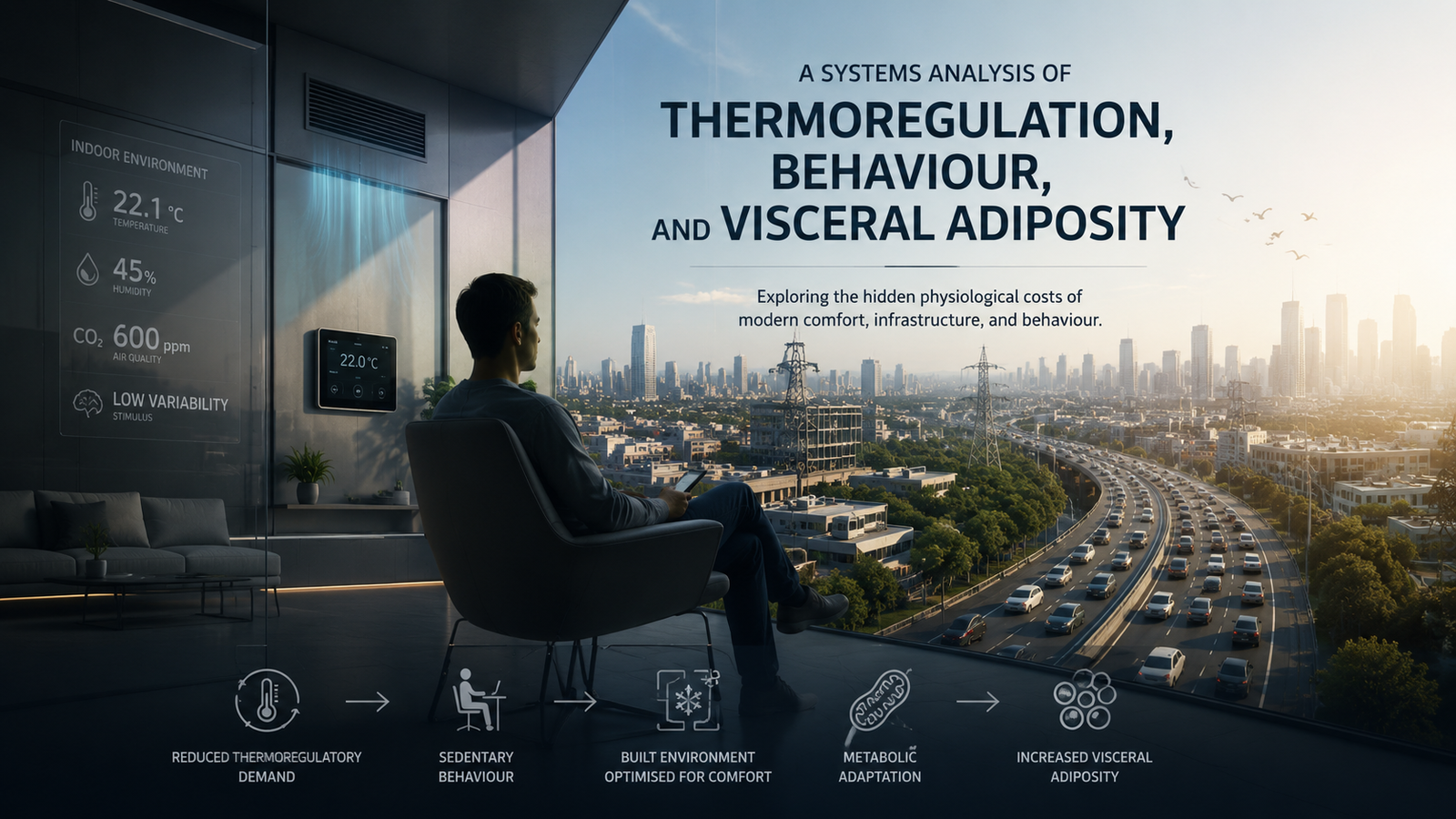
Modern technological civilisation has progressively reduced humanity’s exposure to environmental variability, physical exertion, and thermoregulatory demand.